Linen is not a single type; rather, there are different grades of quality that vary depending on the source of the threads, the weaving method, and the processing.
Choosing the right material not only affects the appearance, but also determines the comfort, breathability, and longevity of the garment with use.
In this article we will explain how linen is chosen for Delmere clothing, what the difference is between different shades of linen, and why some linen pieces look more luxurious and comfortable than others.
How is natural flax produced?
Linen is one of the oldest natural fabrics in the world, and its production begins from the flax plant, which is grown in areas with a temperate climate.
What makes this fabric unique is that every stage of its production directly affects the quality of the final fabric.
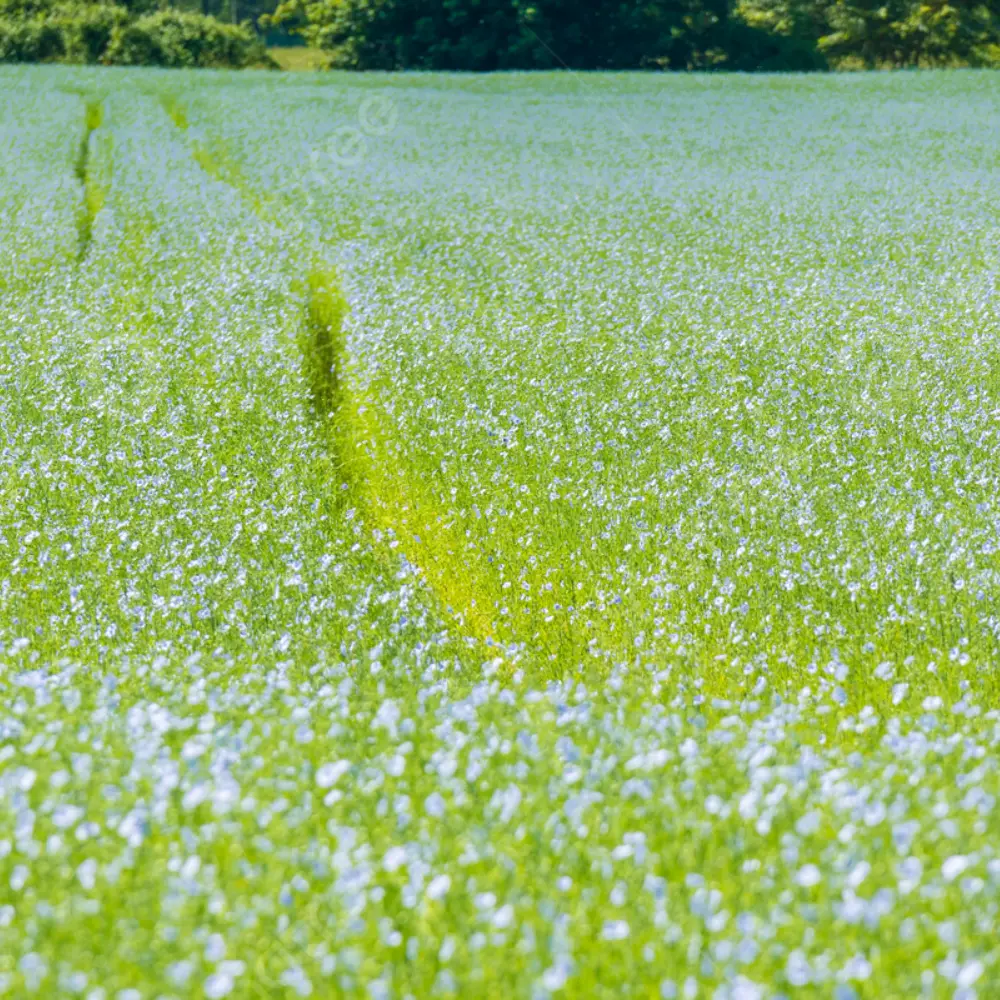
1) Growing flax
Flax plants are grown in rich, relatively moist soil, and usually need several months to fully mature.
They are harvested when the fibers inside the stalk reach their optimal strength and elasticity.
2) Extracting fibers from the stem
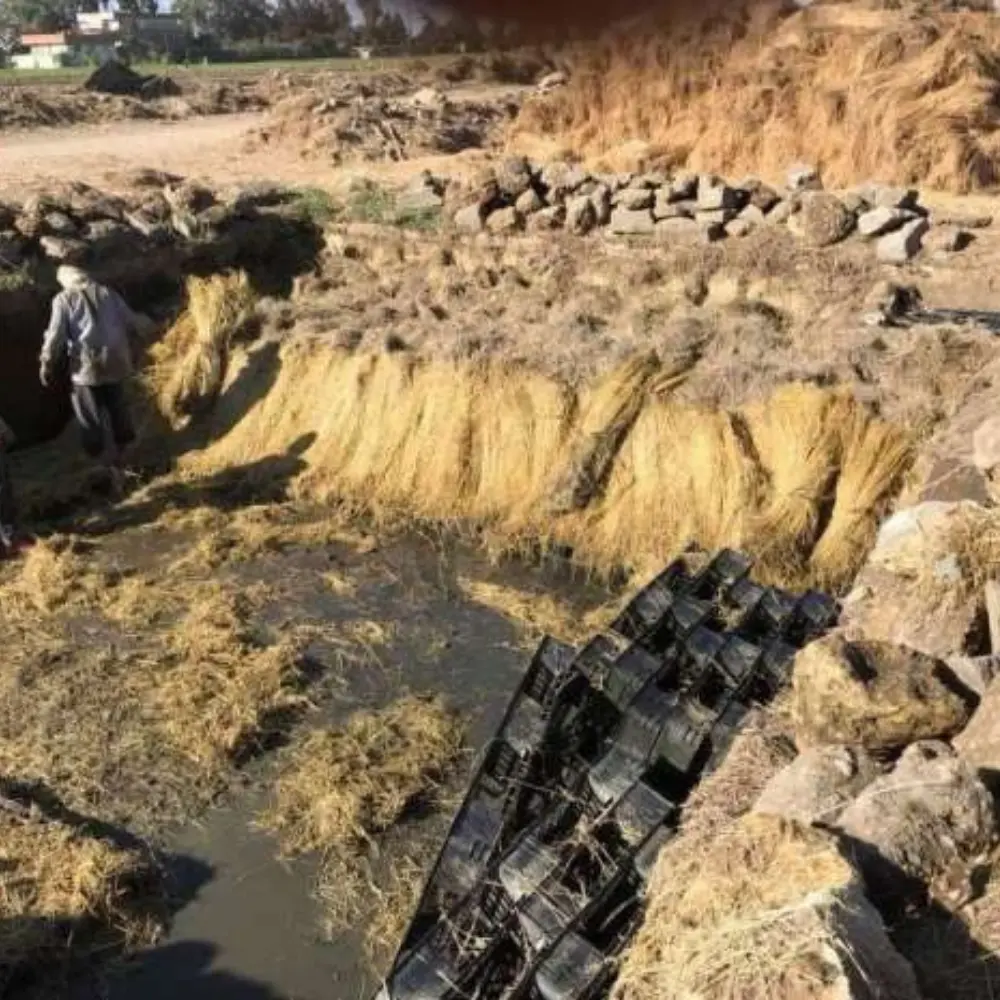
After harvesting, the fibers inside the plant stem are separated through a special process called retting, in which the stems are left for a period of time in water or moisture until the natural fibers separate from the woody parts.
3) Combing and preparing the fibers
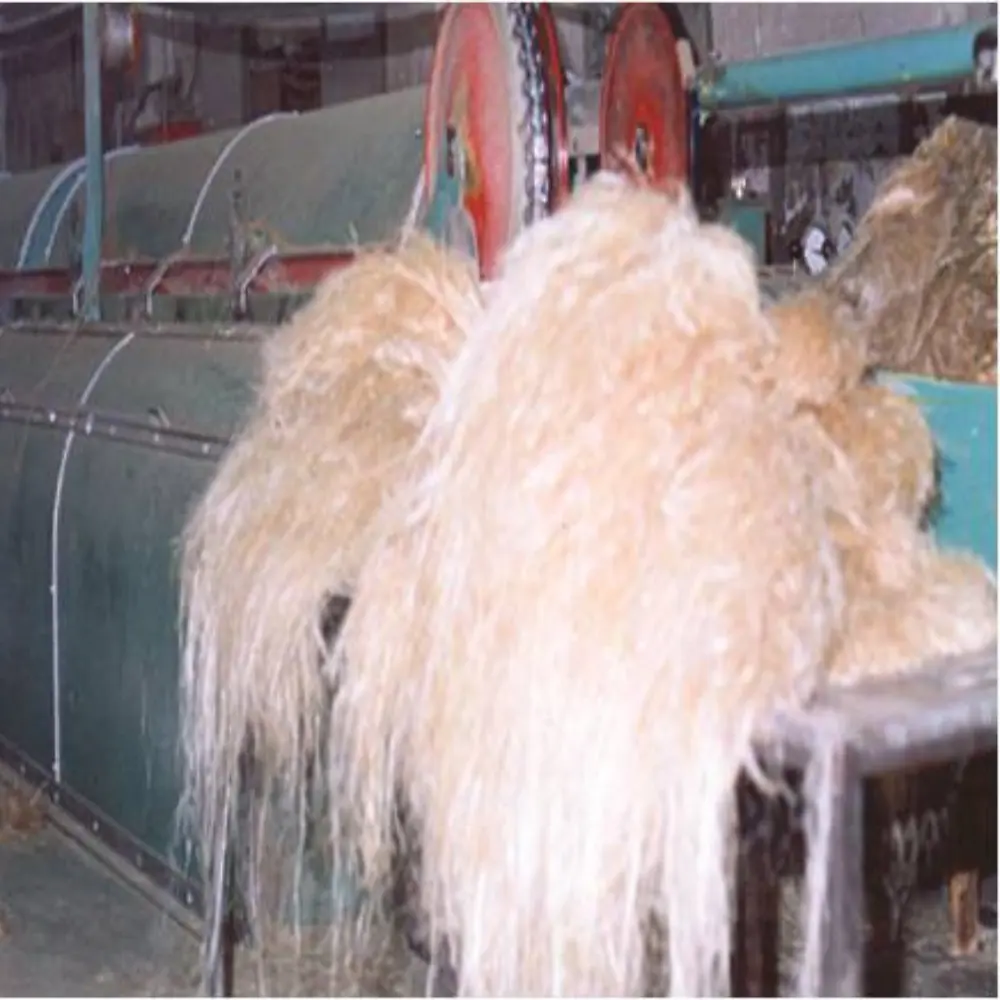
After the fibers are extracted, they are combed and cleaned to remove impurities, then gathered into long threads.
The quality of this stage greatly affects the smoothness of the final fabric.
4) Spinning the yarn
The fibers are spun into strong linen yarns that can be used in fabric making.
The longer and purer the fibers, the more durable and higher quality the yarns will be.
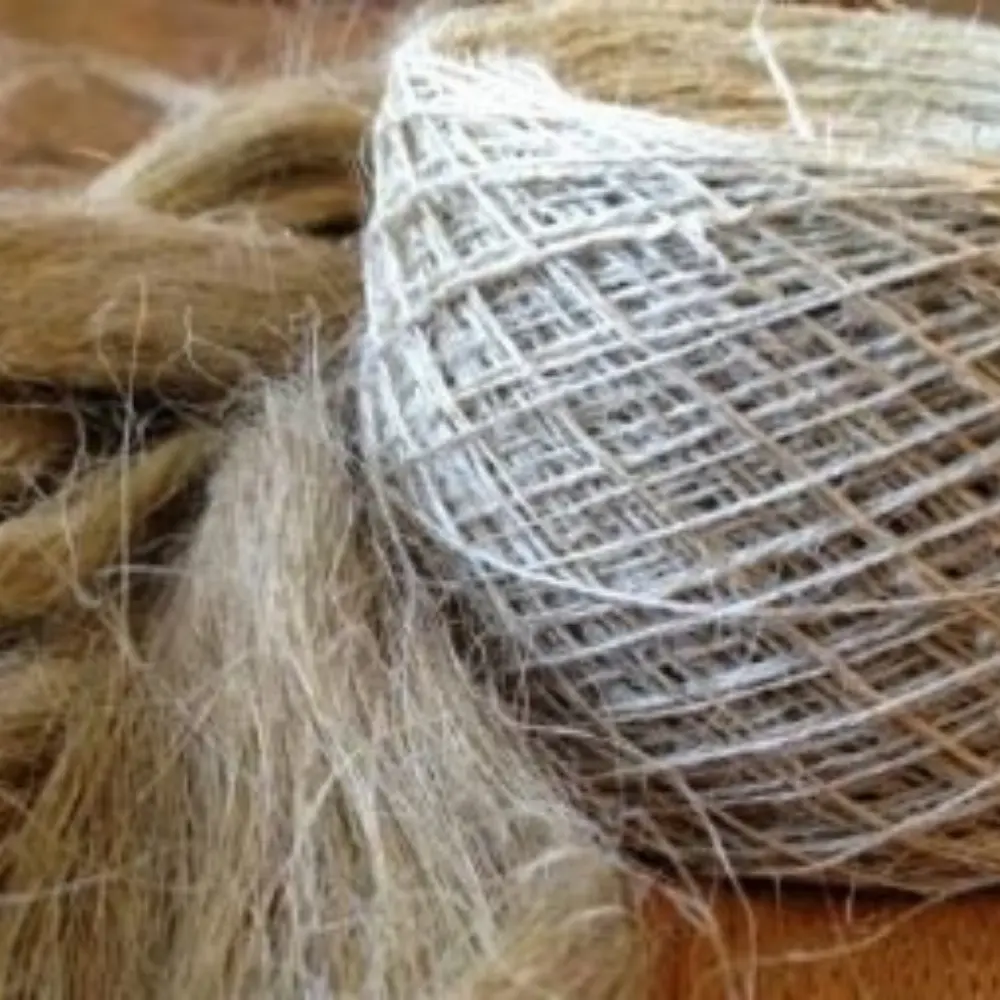
5) Weaving linen fabric
In the final stage, the threads are woven into a fabric using different weaving patterns, which determines the thickness of the fabric, its breathability, and its texture.
This is why the quality of linen fabric varies from one brand to another; each of these stages, from cultivation to weaving, plays an important role in determining the level of luxury and comfort in the final fabric.
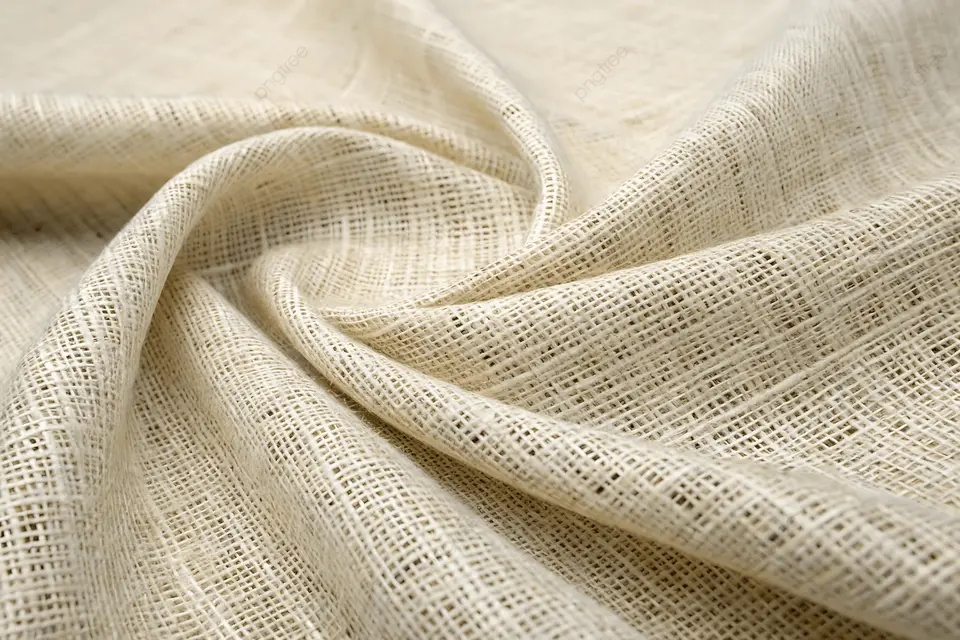
What is the difference between the different quality grades of linen?
Not all linen is of the same quality.
In the textile industry, linen is usually divided into different quality grades based on fiber length, yarn purity, and the accuracy of the weaving process.
The most common classifications are: Grade A, Grade B, and Grade C.
Grade A — High-quality linen
This is the highest quality natural linen.
Its advantages:
- long, strong fibers
- A softer and more comfortable texture
- Excellent ventilation
- It withstands use and washing for a longer period.
This type is often used in luxury linen shirts and trousers because it combines comfort and durability.

Grade B — Medium quality linen
This type falls in the middle ground between luxury and practicality.
Its advantages:
- Slightly shorter fibers
- It has a good texture but is less smooth.
- Acceptable durability for everyday use
It is usually used in budget clothing or pieces that do not require high luxury.

Grade C — Low-quality linen
This type is often made from shorter or blended fibers.
Its characteristics:
- Relatively rougher texture
- Less ventilation
- It may deteriorate faster with use.
For this reason, it is often used in low-cost products or in some uses unrelated to clothing.
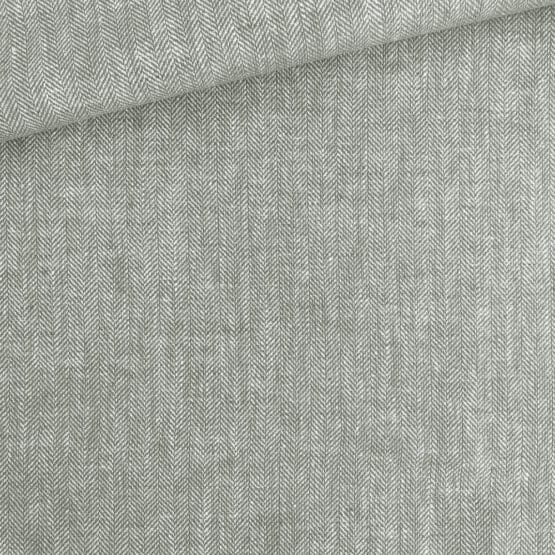
How can you tell good linen for yourself?
There are three simple signs that can help you determine the quality of linen fabric:
- Texture: Good linen is relatively soft with a natural, non-rough texture.
- Ventilation: When touched, it feels light and allows air to pass through.
- Weaving precision: The threads are close together and uniform without any obvious gaps.
Understanding these differences helps you to better evaluate fabrics, and to know why some linen pieces look more comfortable, luxurious, and last longer than others.
How do we choose Delamere materials?
Fabric selection is not done randomly, because the quality of the material is the element that determines the comfort of the garment and its lifespan with use.
Therefore, Delamere relies on a set of clear criteria when selecting the linen used in its products, with the aim of maintaining a consistent level of quality.
1) Carefully select natural fibers
Delmere relies on high-quality natural linen fibers selected from relatively long yarns, as longer fibers give a more durable fabric and a softer feel.
2) Focus on ventilation and comfort
One of the most important selection criteria is that the fabric provides good ventilation for the skin, because linen is often used in warm weather, travel, and everyday wear.
Therefore, fabrics that allow air to pass through and provide a comfortable feeling during movement are chosen.
3) Yarn strength test
Before the fabric is approved for production, the strength of the threads and the quality of the weave are checked to ensure that the fabric can withstand use and washing without losing its shape quickly.
4) Examine the final texture of the fabric
It is ensured that the fabric offers a comfortable, natural feel against the skin, because good linen should be relatively light and soft without being rough or irritating to the skin.
5) Post-manufacturing quality review
Even after the fabric has been turned into shirts or pants, it is ensured that the final piece maintains colorfastness, stitching quality, and fabric balance before it is displayed in the store.
These standards help to maintain the quality of Delamere linen fabric so that the pieces combine natural breathability, durability, and a stylish appearance that lasts a long time with use.
Pure flax vs. blended with other fibers
When searching for linen clothing, you may find two basic types of fabrics: 100% pure linen and linen blended with other fibers such as cotton or polyester.
Both types have their uses, and the difference between them depends on the purpose of the piece and the nature of the use.
Pure linen (100% Linen)
This is the most natural form of linen, and many prefer it because of its original properties.
Its advantages:
- Excellent ventilation allows the skin to breathe.
- Natural texture and light on the skin
- Suitable for hot weather and travel
- It gives the look a luxurious and natural feel.
For this reason, it is often used in high-quality linen shirts and trousers.
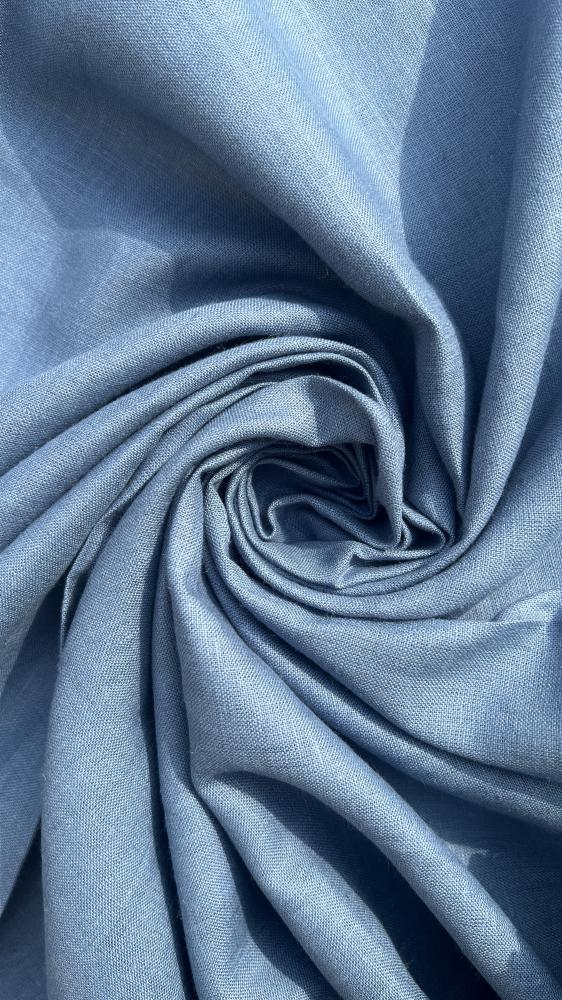
Linen mixed with other fibers
In some cases, linen is mixed with other fabrics such as cotton or polyester to obtain additional properties.
Its potential advantages:
- Greater wrinkle resistance
- Higher elasticity in the fabric
- Sometimes lower price
However, on the other hand, the natural ventilation that linen is known for may be reduced.
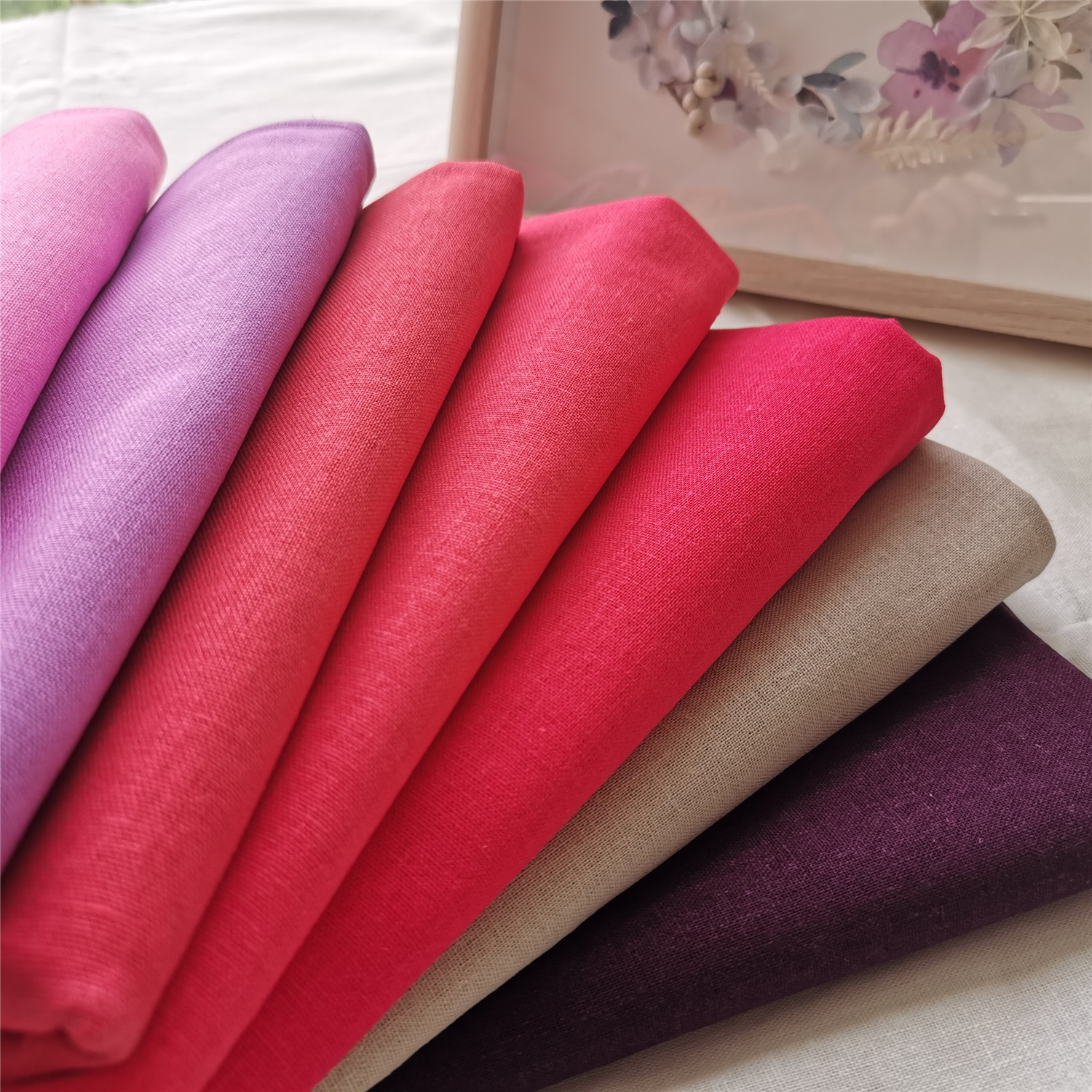
When is blended linen a suitable option?
Blended linen may be suitable in some cases, such as:
- Clothing that requires greater freedom of movement
- Pieces intended to reduce wrinkles
- everyday wear with heavy use
But if the goal is natural comfort, breathability, and the luxurious feel of the fabric, then pure linen remains the best choice.
This is why many linen lovers prefer to choose pieces made from 100% natural linen when they are looking for the highest level of comfort and quality.
How can you check the quality of linen yourself?
Even if you are not a fabric expert, you can determine the quality of linen fabric in just one minute through three simple tests used by many specialists when examining fabric.
1) Texture test
Gently run your hand over the fabric.
Good linen is relatively soft with a light, natural texture, not rough or harsh on the skin. A comfortable feel is often a good indicator of fiber quality.
2) Ventilation test
Hold the fabric slightly between your fingers and notice its weight and elasticity.
High-quality linen is lightweight and breathable, so it gives a feeling of coolness and freshness compared to synthetic fabrics.
3) Tissue testing
Look at the fabric closely.
In good linen, you will notice that the threads are uniform and close together without large gaps or obvious variations in texture.
These three simple tests help you quickly assess fabric quality, even before trying on the piece, and give you a clearer idea of the difference between ordinary linen and high-quality linen.
Why is Delamere fabric worth its price?
When evaluating any piece of clothing, it's not just about the price, but what you get for that price.
This is where the concept of Value for Money comes in, which is the true standard for judging product quality.
In the case of Delamere, the quality of Delamere linen comes from several factors combined.
Firstly, it uses natural linen with carefully selected fibers, which gives the fabric good ventilation and clear comfort while wearing, especially in hot weather and while traveling.
The second factor is the accuracy of manufacturing and the attention to detail.
The choice of threads, the quality of the weaving, and the final finishing of the fabric are all elements that affect the shape of the piece and its lifespan with use and washing.
The third factor is the ability to be used repeatedly.
A good linen piece that can be worn on more than one occasion, for travel, daily outings, and even evening meetings, making it a practical piece that lasts a long time in the wardrobe.
For this reason, the price here is not seen as just a cost, but as an investment in a piece that combines comfort, durability, and elegance, which explains why many customers see Delamere fabric as offering real value for the price.
Discover the difference for yourself!
Ultimately, the best way to understand the real difference in the quality of Delamere linen fabric is to try it yourself.
Pictures and specifications may give a good idea, but the true feel of the fabric comes from wearing it and touching its details.
ﻻ
If you are looking for a linen piece that combines comfort, style and practicality, you can browse Delamere's linen collections and discover shirts and pants made from natural linen, and choose the piece that suits your style and daily needs.